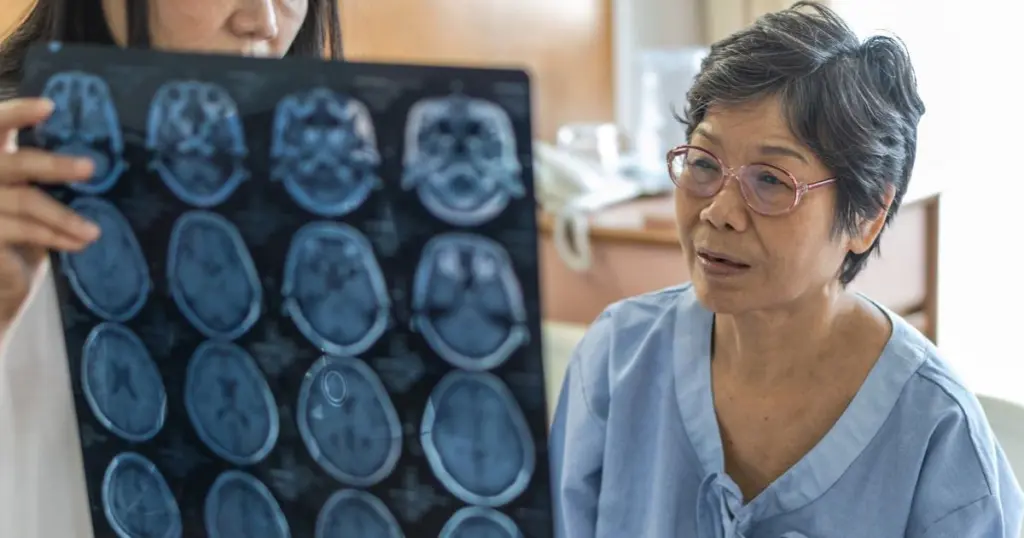
Teaching Oregonians to recognize stroke symptoms and prevent permanent damage is a major focus during this American Stroke Month.
Strokes happen when blood flow to the brain is interrupted, and they’re currently the number four killer in the country.
Stroke survivor Claudette Kenmir said the acronym “BE FAST” is an easy way to remember the symptoms of stroke. She explained that the letters stand for balance, eye or vision problems, face drooping, arm raising trouble, speech, and “time to call 911.”
“If you’re having a stroke, if you can get to the emergency room or get an ambulance to you as soon as possible, that helps reduce what can happen to you,” she said. “But if you know what to look for, you can really help yourself and help other people.”
Kenmir said the doctor did not suspect she was having a stroke at first, because she was only 45 and otherwise healthy. She said the experience taught her the importance of managing her stress levels.
Dr. David Tirschwell. professor of neurology at the University of Washington, said the biggest risk factor for stroke is untreated high blood pressure. He explained that the course of action depends on the patient, but called high blood pressure very treatable.
“If it’s only a little bit up,” he said, “your primary-care provider might suggest a lifestyle change where you’re eating a healthier diet, consuming less salt and exercising more.”
Tirschwell added that medication may be needed in more serious cases. According to the American Heart Association, about 80% of strokes are preventable.
By Isobel Charle, Public News Service